
Understanding the psychological factors that drive casino behavior
The Thrill of Risk and Reward
The allure of casinos often stems from the psychological thrill associated with risk-taking. This excitement is deeply rooted in human nature, as individuals are instinctively drawn to the possibility of winning big. The anticipation of a potential reward can activate the brain’s pleasure centers, leading to a rush of dopamine that enhances the overall gambling experience. You can find more context about this at uk betting sites. This thrill can become addictive, as players seek to recreate the euphoric feeling of a big win.

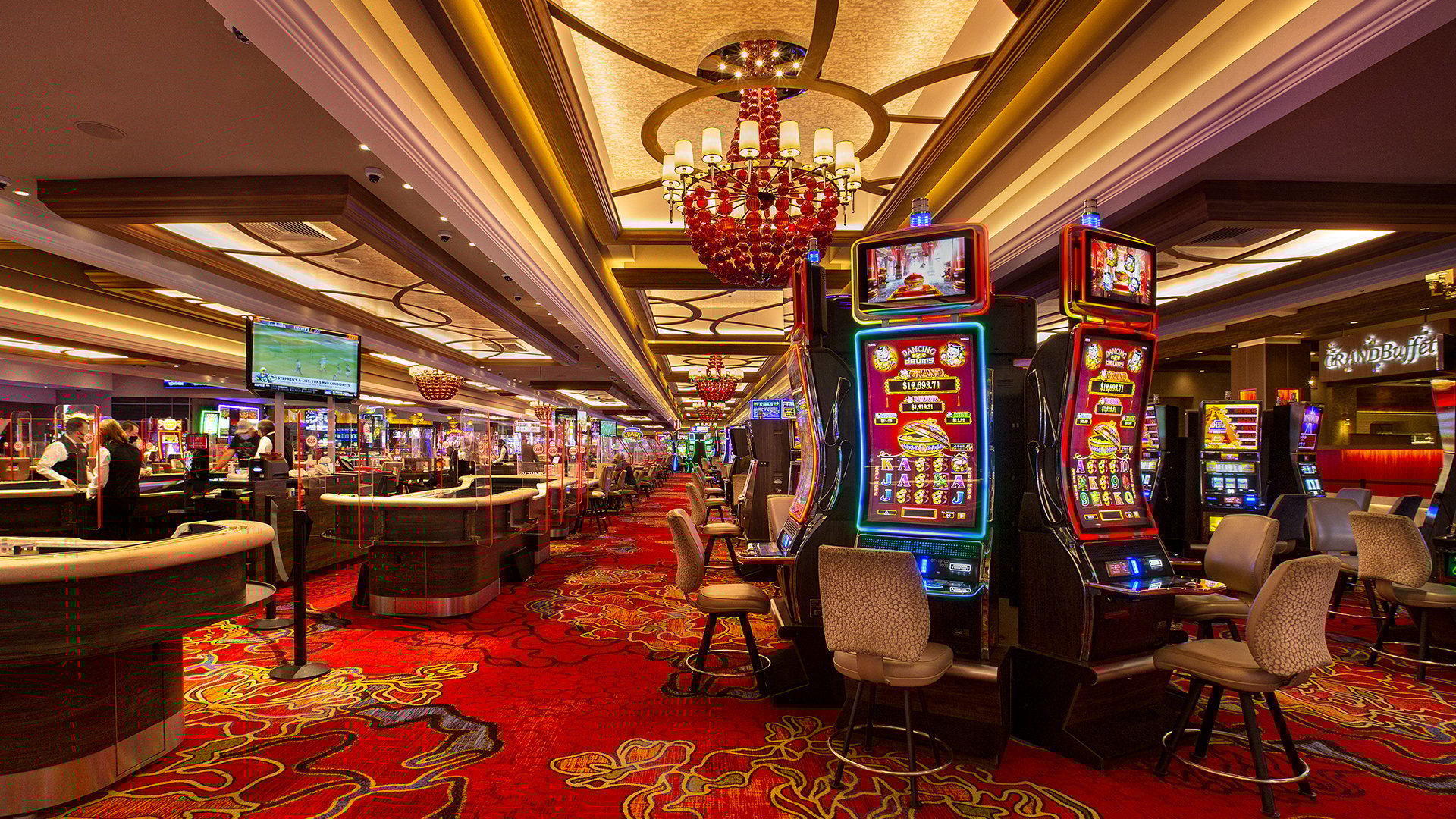
Moreover, the environment of a casino is designed to amplify these emotions. Bright lights, sounds of winning machines, and the presence of other excited players all contribute to an atmosphere that stimulates the senses. This sensory overload can encourage individuals to take risks they might otherwise avoid, effectively heightening the emotional stakes of their gambling behavior.
The Influence of Social Dynamics
Social dynamics play a crucial role in casino behavior. Many individuals gamble in groups, which can create a sense of camaraderie and shared excitement. This social context can lead to increased risk-taking, as individuals may feel emboldened by the presence of friends or fellow gamblers. The communal experience of gambling can foster a sense of belonging, making the activity more enjoyable and engaging.
Furthermore, peer pressure can also significantly influence gambling choices. Observing others winning can trigger a competitive spirit or a fear of missing out, prompting individuals to engage in behavior they might not normally pursue alone. This social reinforcement can lead to impulsive decisions, ultimately driving more frequent gambling activities.
Cognitive Biases and Gambling
Cognitive biases significantly affect how individuals perceive gambling outcomes. For instance, the illusion of control is a common belief among gamblers, where they think they can influence random outcomes. This cognitive distortion can lead to overconfidence, prompting individuals to wager more than they should. Such biases can cloud judgment and contribute to problematic gambling behaviors.
Additionally, the gambler’s fallacy—believing that past outcomes influence future results—can encourage continued gambling despite losses. Players may chase their losses, convinced that a win is due simply because they’ve experienced a series of losses. These cognitive biases create a perfect storm for persistent gambling behavior, often leading to financial and emotional distress.
The Role of Environment and Design
The design and layout of a casino significantly impact gambling behavior. Casinos are strategically organized to promote prolonged play, featuring no windows or clocks to alter a player’s perception of time. This intentional design can make it easy for individuals to lose track of time, encouraging them to stay longer and spend more money.
Moreover, the placement of games is often strategic, with high-stakes tables located near popular attractions. This arrangement can create a sense of urgency and excitement, drawing players into games they might not have considered otherwise. The overall environment is crafted to keep individuals engaged and incentivized to continue gambling, regardless of their initial intentions.
Exploring Responsible Gaming Resources
Understanding the psychological factors behind casino behavior is essential for promoting responsible gaming. As individuals become aware of the various influences driving their actions, they are better equipped to make informed choices. Resources that educate players on the psychological aspects of gambling can help mitigate the risks associated with addiction and promote healthier gambling habits.
Websites dedicated to responsible gaming offer valuable information on recognizing signs of problematic behavior and accessing support services. By providing education and resources, these platforms empower individuals to enjoy gambling as a form of entertainment while being mindful of its potential risks. Emphasizing responsible gambling practices fosters a safer and more sustainable gaming environment for all participants.